Undergoing wisdom teeth extraction can be daunting, but understanding what to expect can ease anxiety and ensure a smooth experience. This article provides insights into the importance of removing wisdom teeth, the procedure, and the recovery process, offering peace of mind as you or your loved ones prepare for dental surgery.
Why Remove Wisdom Teeth?
Wisdom teeth, also known as third molars, are the last set of teeth to develop in humans, typically emerging between the ages of 17 and 25. For many, they pose no problem; however, not everyone is so fortunate. Here are reasons why wisdom teeth require removal:
– Impaction: Teeth may grow at odd angles, becoming trapped in the gum or jawbone.
– Overcrowding: Emerging wisdom teeth may push against existing teeth, causing alignment issues.
– Decay and Infection: Located at the back of the mouth, they are hard to clean, increasing the chance of cavities and infections.
– Pain and Swelling: Problems with wisdom teeth can cause discomfort, which worsens over time.
Removing impacted or problematic wisdom teeth prevents dental issues and maintains oral health.
Preparing for Extraction
Preparation begins with a consultation with your dentist or oral surgeon. During this visit, an X-ray will be performed to examine the position of your wisdom teeth and determine the best removal strategy. Follow these steps to prepare for your procedure:
1- Medical History: Share any medical conditions, medications, or allergies with your surgeon.
2- Ask Questions: Understand the steps involved and clarify any concerns or fears.
3- Arrange Transportation: You’ll need a responsible adult to drive you home after surgery, as anesthesia may impair your ability to drive.
4- Stock Up on Essentials: Purchase soft foods and drinks, gauze pads, and any prescribed medications beforehand.
The Extraction Process
Wisdom teeth extractions vary depending on the complexity of the case. Here is a general outline of what to expect:
1- Anesthesia: Depending on the number of extractions and individual needs, options include local anesthesia, sedation, or general anesthesia.
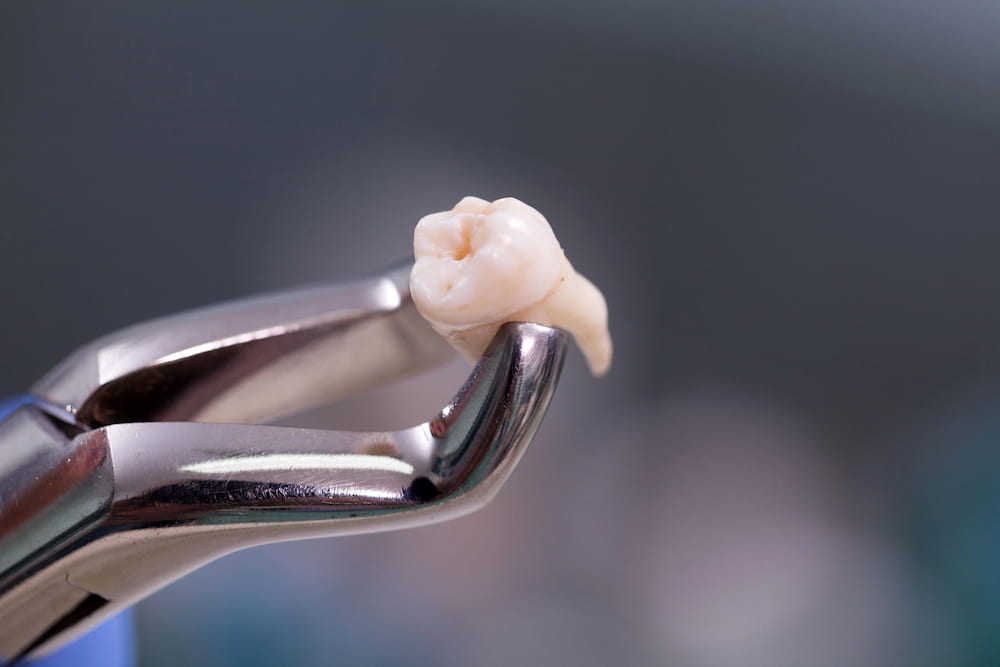
2- Incision and Extraction: An incision in the gum tissue reveals the tooth and bone. Your surgeon may divide the tooth into smaller sections if it’s easier to remove in pieces.
3- Closure: Stitches close the incision, promoting healing.
4- Gauze Placement: Gauze helps control bleeding in the extraction site.
The procedure generally lasts 45 minutes to an hour, although it may vary depending on specific factors.
Recovery and Aftercare
Post-surgery healing is crucial for comfort and preventing complications. Here are some tips for a smooth recovery:
– Manage Pain: Take prescribed medication promptly, and use over-the-counter pain relievers as instructed.
– Control Swelling: Intermittently apply ice packs to the cheeks during the first 24-48 hours.
– Rest: Allow your body to recover by abstaining from physical activities for a few days.
– Dietary Adjustments: Consume soft foods like yogurt, mashed potatoes, and soup. Avoid hard, crunchy, or sticky foods that may irritate the extraction sites.
– Hydration: Drink plenty of fluids, but avoid using straws, as suction may dislodge blood clots.
Oral Hygiene: Brush teeth carefully, avoiding the extraction area, and rinse gently with salt water.
Recovery is generally rapid, with initial healing around a week and complete recovery within a few weeks to a month.
Possible Complications
Though rare, complications can occur after wisdom teeth removal:
– Dry Socket: Occurs when the blood clot at the site dislodges, causing pain and required dentist intervention.
– Infection: Symptoms include fever, persistent pain, or pus; seek prompt medical attention if these occur.
– Nerve Injury: Uncommon and mainly temporary, affecting sensation in the lower lip, tongue, or chin.
Alert your dentist if you experience unusual symptoms during recovery.
The Emotional Side of Surgery
Emotions like fear and anxiety can overshadow the necessity of wisdom teeth extraction. However, acknowledging these feelings and discussing concerns with your dentist can empower you to face the procedure confidently. Understanding that this surgery is a commonplace milestone in oral health encourages a more positive outlook.
Your Journey to Oral Health
Having wisdom teeth removed is a crucial step in preserving long-term dental health. By opting for wisdom teeth removal Las Vegas NV, individuals can minimize potential oral health problems, leading to continued well-being. Proper preparation, understanding the process, and adhering to recovery requirements contribute to a successful dental experience.
Did you find this helpful? Check out our other helpful articles on our website.
Read Also
- Full-Arch Dental Tourism: Why UK Patients With Severe Bone Loss Are Looking Abroad
 Dental implants have become one of the fastest-growing segments of private dentistry. Within that market, one patient group behaves very differently from the rest: people who have been told they do not have enough upper jawbone for conventional implants. For these patients, the choice is rarely between one clinic and another. It is between a… Read more: Full-Arch Dental Tourism: Why UK Patients With Severe Bone Loss Are Looking Abroad
 - Levels of Mental Health Care and When to Seek SupportMental health care can range from occasional outpatient appointments to 24-hour hospital treatment. The appropriate level depends on safety, symptom severity, daily functioning, medical needs, available support, treatment history and personal preferences. A licensed clinician should assess these factors rather than relying on a symptom list alone. Need help now? In the United States, call… Read more: Levels of Mental Health Care and When to Seek Support
- How to Choose a Shilajit Brand Based on the ResearchIn a randomized trial published in the Journal of the International Society of Sports Nutrition in 2019, 63 active men took 250 mg of standardized shilajit, 500 mg, or a placebo every day for eight weeks, and the benefit for strength retention after a fatiguing workout appeared only at 500 mg. For anyone choosing a… Read more: How to Choose a Shilajit Brand Based on the Research
- How to Incorporate Relaxation into Your Busy ScheduleFinding balance when you have a packed daily agenda often feels out of reach. Between work duties, family obligations, and personal projects, personal rest usually gets pushed to the bottom of the list. Small, intentional shifts in daily habits can help restore calm without requiring hours of extra free time. Continue reading to discover everything… Read more: How to Incorporate Relaxation into Your Busy Schedule
- Red Light Therapy for Skin and Wellness: Meet Vital Red Light TherapyModern wellness is not always about complicated treatments or long routines. Many people are now looking for simple, convenient ways to support their skin, recovery, and overall wellness at home. One technology getting more attention is red light therapy. Red light therapy uses specific wavelengths of red and near-infrared light to support the body’s natural… Read more: Red Light Therapy for Skin and Wellness: Meet Vital Red Light Therapy
- Managing Shock Loss After a Hair Transplant: The Financial and Clinical Imperative of Post-Op CareIn the rapidly evolving landscape of private healthcare, executive leadership within cosmetic and restorative surgery clinics faces a dual challenge: maintaining strict clinical standards while maximizing patient lifetime value (LTV) and brand advocacy. As the global medical tourism and elective procedure markets expand, clinical outcome quality alone is no longer the sole differentiator for premium… Read more: Managing Shock Loss After a Hair Transplant: The Financial and Clinical Imperative of Post-Op Care
- Transform Your Skin Health: Premier Gluta IV Therapy in DubaiThis comprehensive guide explores how modern intravenous wellness treatments can help revitalize your complexion, boost immune function, and support overall cellular health. By incorporating modern IV therapy Dubai services into a routine health regimen, individuals can achieve direct nutrient absorption for optimal results. Selecting a customized gluta IV drip Dubai treatment provides targeted antioxidant defense,… Read more: Transform Your Skin Health: Premier Gluta IV Therapy in Dubai
- The Evolution of Dental Prosthetics: Innovation in Oral HealthDental replacements have improved a lot over time. Smiling, chewing, and speaking depend on having healthy teeth. When teeth break or go missing, today’s options can restore both function and confidence. Modern techniques make these replacements feel and look completely natural. Ancient Roots Of Tooth Replacement People have tried to replace lost teeth for thousands… Read more: The Evolution of Dental Prosthetics: Innovation in Oral Health